

Professional Development Award 2026
WINNERS
Emma Blackburn
Crossing Queen: Cloth, Ceremony and the Street
£1000
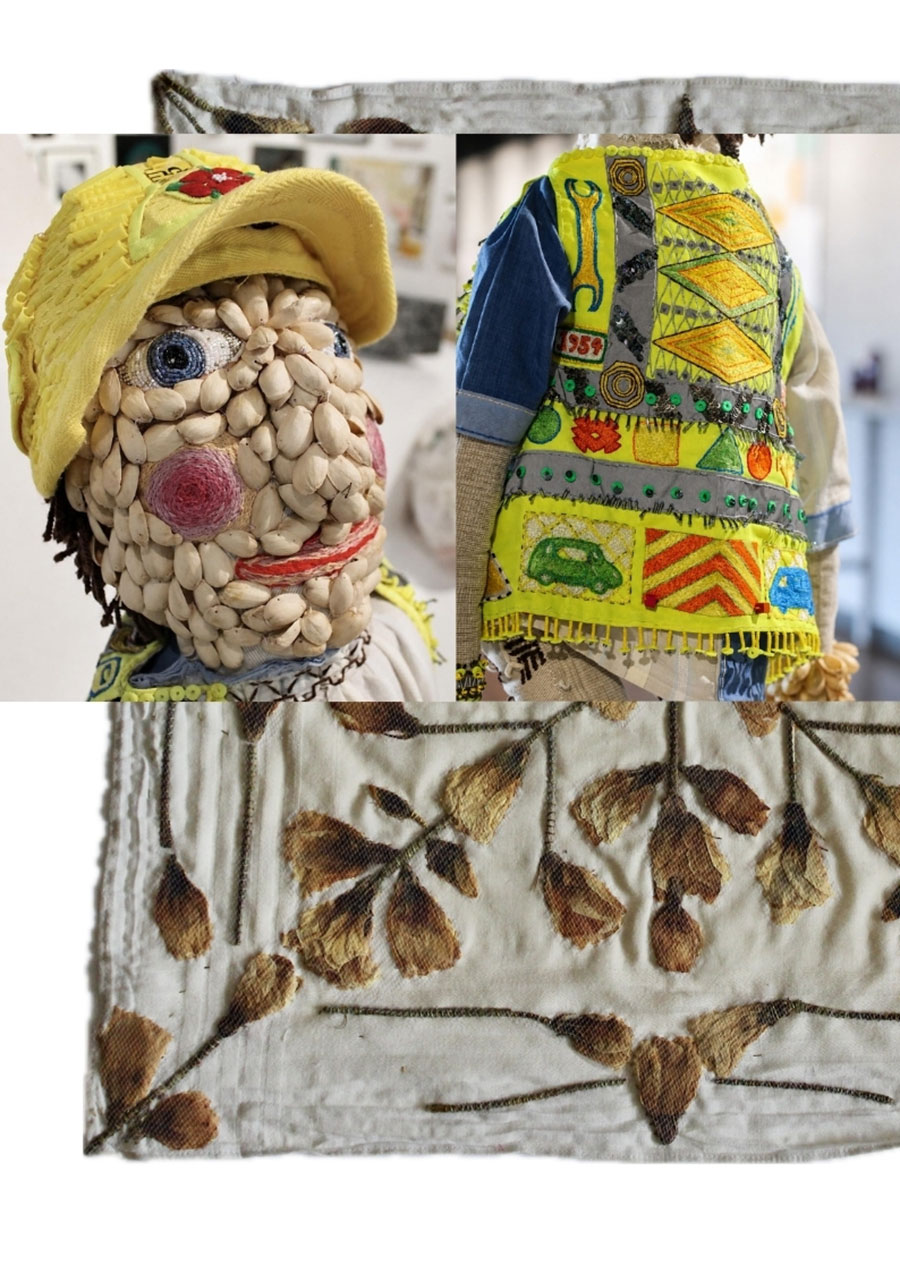
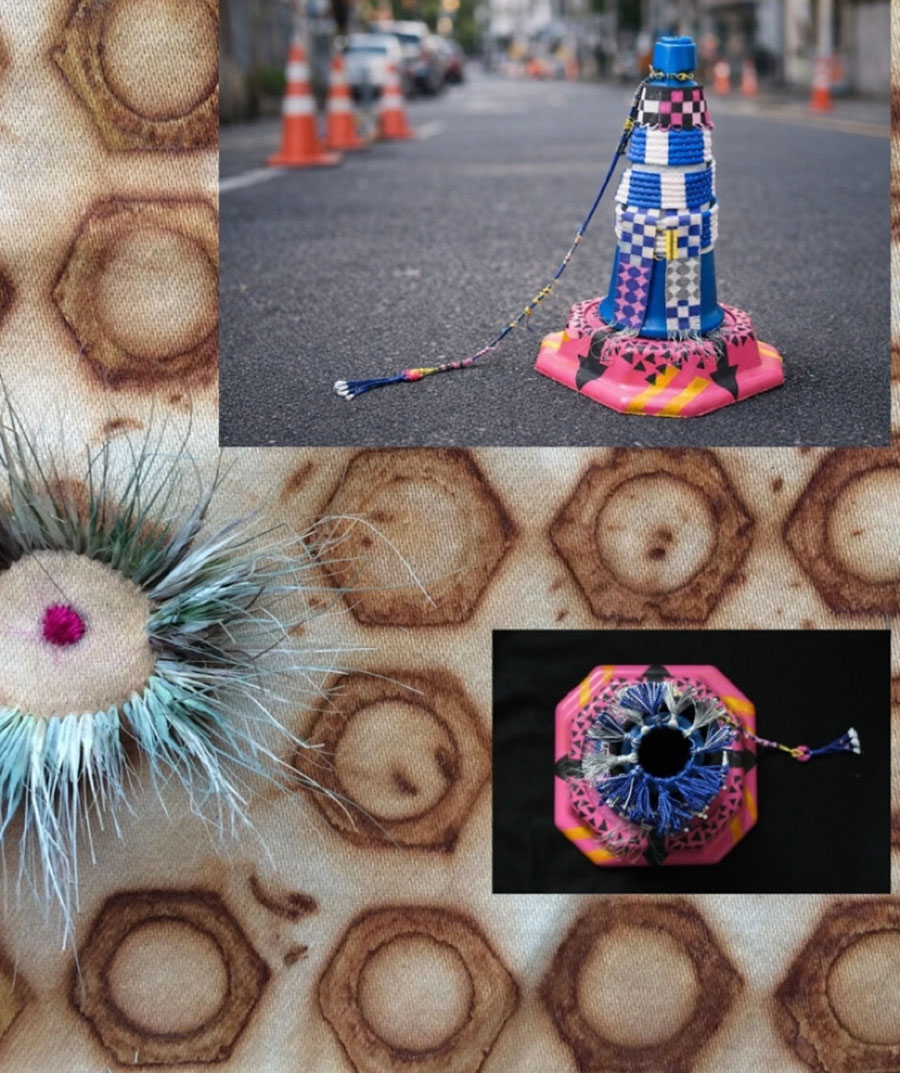
Emma is a Manchester based visual artist working for more than fifteen years across textiles, embroidery, sculpture and installation. Her practice explores care, labour, memory and public life through workwear, everyday objects and the visual language of public safety.
My 2025 solo exhibition, ‘Pedestrian’, at Gallery Oldham brought together fifteen years of work and helped me recognise a visual language that had quietly developed across my practice: embroidery alongside road markings, flowers, workwear, uniforms, banners, traffic cones, reflectors and public signage.
Emma applied for the Professional Development Award to support the development of Crossing Queen, a long term body of work exploring lollipop workers, contemporary folk ceremony and civic ritual.
Emma’s distinctive and idiosyncratic approach, involving creative interventions within the urban environment, stood out amongst the range of applications received. She described, with very evident passion, her aims for the Crossing Queen project which demanded research in a range of locations. Judges were unanimous in agreeing to fund this aspect of her proposal with an award of £1,000.
Amber Butchart
New Book Project on Textile History
£1000

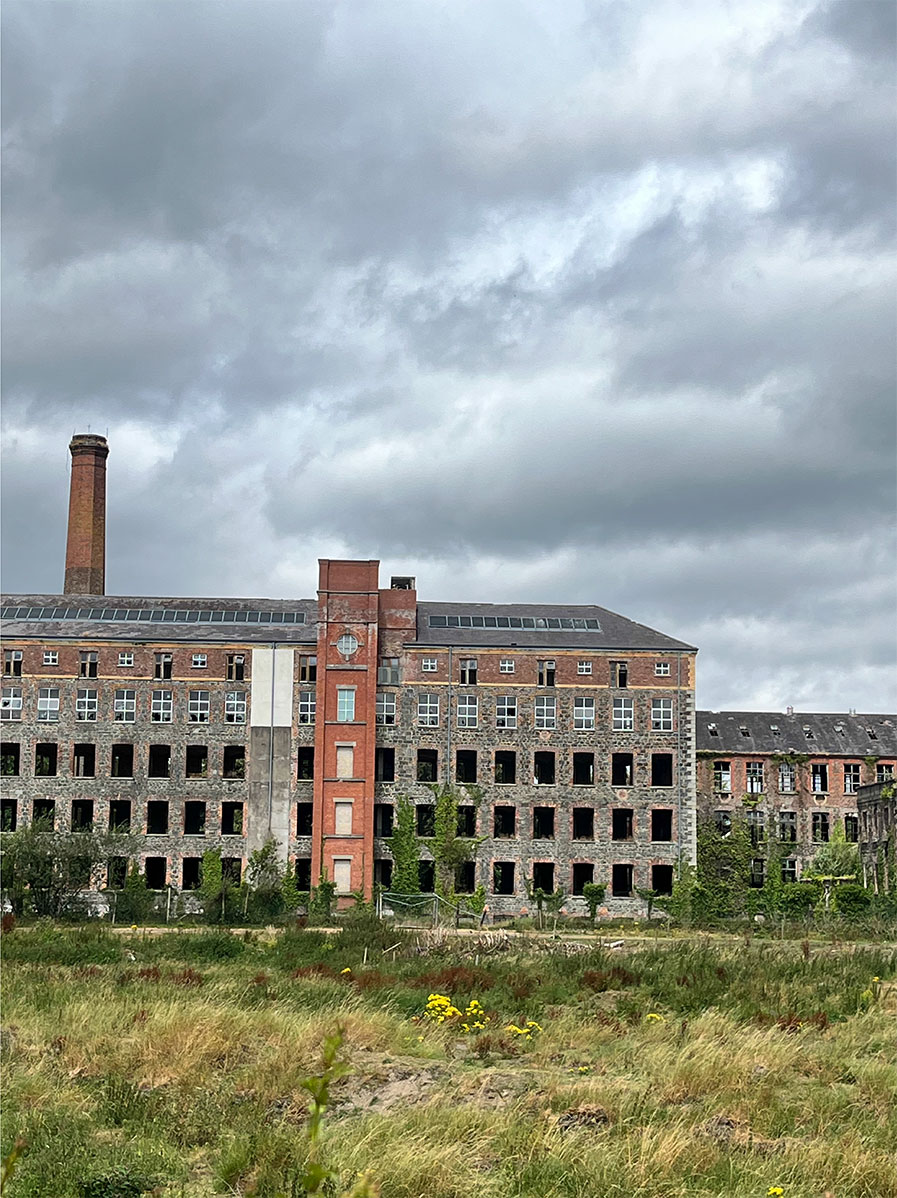
Based in Kent, Amber is a widely published writer on a range of fashion and societal themes including Civilizations Stories: The First Refugees exploring the legacy of the Huguenot silk weavers in Spitalfields, and aired on BBC One and BBC Four in 2018.
£1,000 is awarded to fund a range of research journeys throughout the United Kingdom. Amber’s dedication to her theme was clearly evident in her submission, which was thoughtful, lucid and compelling. The judges were impressed by the range, detail and grasp of her subject, well evidenced by her experience and background. Her style of writing, its structure, language and expression bodes well for a compelling publication that will inevitably be on the shelves of many textile makers, academics and researchers in the future.